Students and teachers
Explore DNA resources and activities suitable for learners aged 5-12 years old.
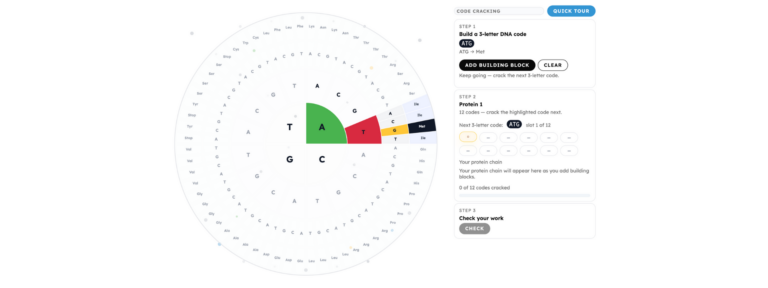
This interactive codon wheel helps learners explore how DNA codes for proteins. Decode DNA triplets one at a time and build a protein chain, just as cells do. Use full screen for the best experience.
In the Cell
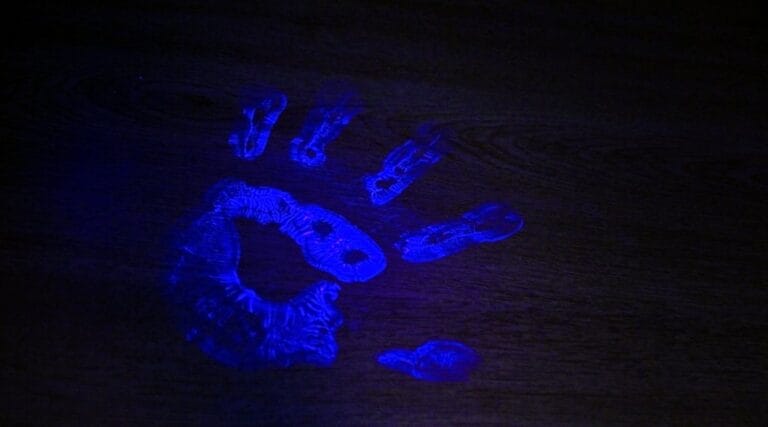
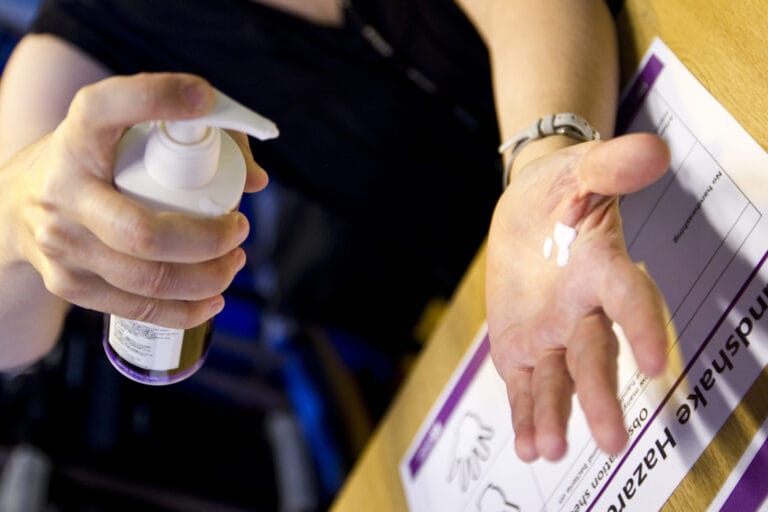
Play detective and uncover how microbes spread around the surfaces you touch if you don’t wash your hands properly!
Health and Disease
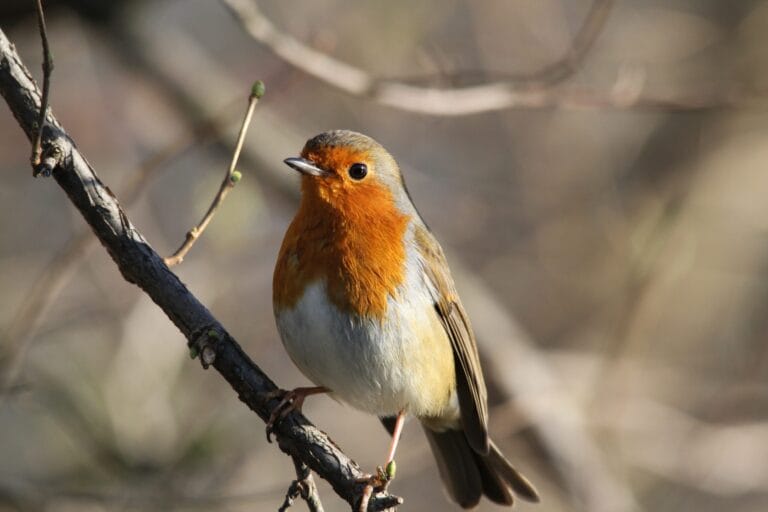
What makes a bird a bird or a mammal a mammal? Grouping creatures together can show what links different creatures together.
Living Things
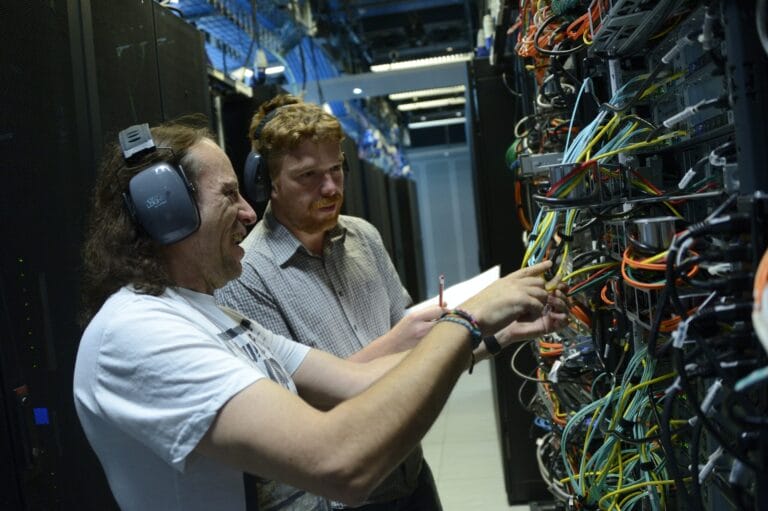
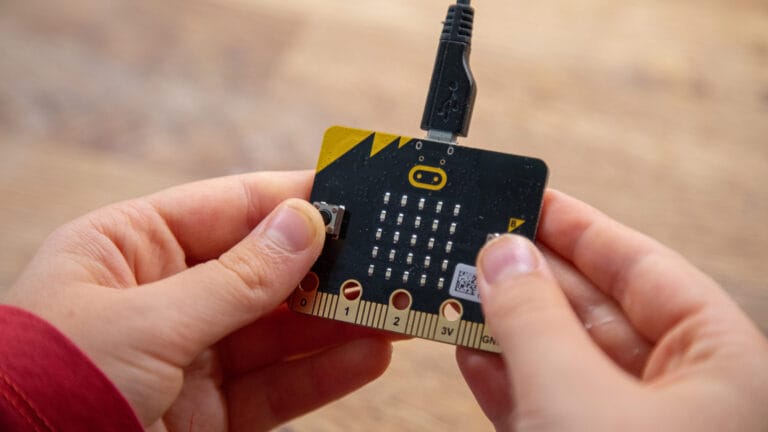
Use a micro:bit to explore how simple coding can keep a data centre safe by creating your own alarm system.
Methods and Technology
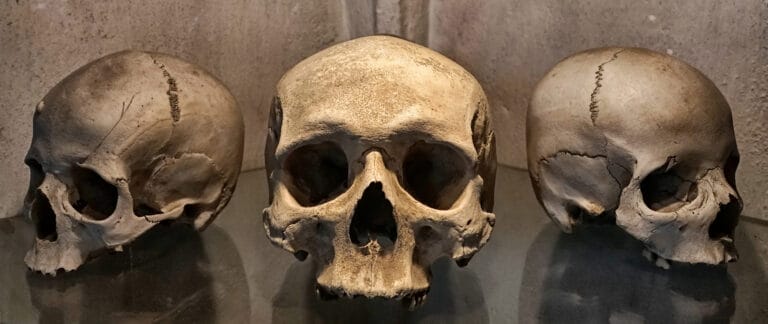
Discover how DNA can provide clues to recreate the faces of people from the past.
Science in Society
In this activity, learners discover how genes encode proteins, using a codon wheel and protein profiles.
Use a micro:bit to explore how creative coding and sensors can help scientists solve tricky problems in the lab!
Discover science career activities to help young students explore everyday science and highlight a diverse range of scientists.
Careers
This hands-on activity allows you to extract the DNA from fruit using household items.
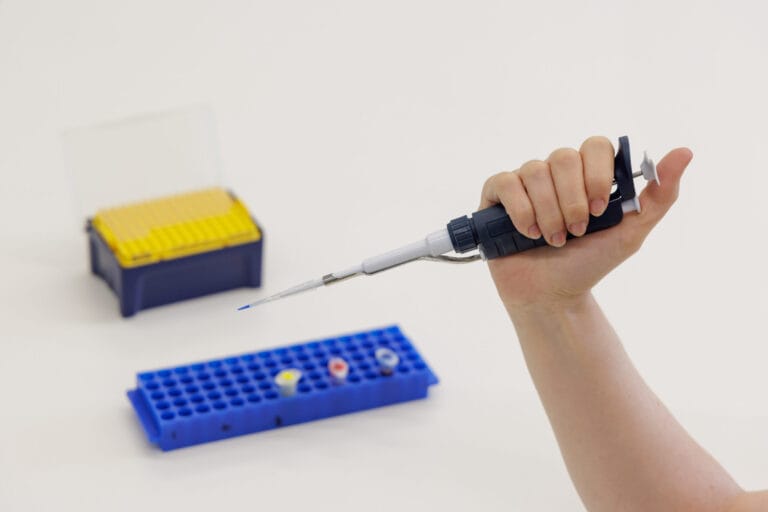
Become familiar with what a micropipette is, what it is used for and how to accurately use one for moving small volumes of liquid.
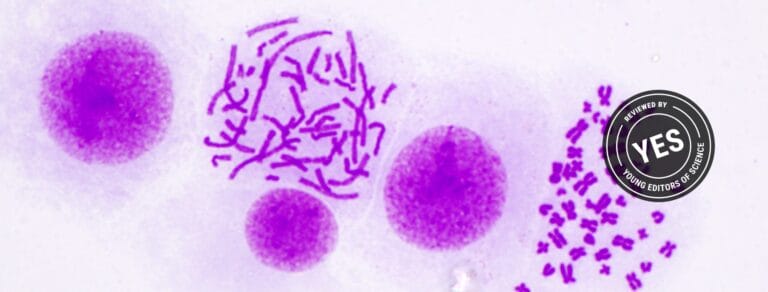
This article explores a process called chromoplexy, which involves the mixing up of DNA inside our cells and can affect how our body works.
This article explores the ways that public trust can be built by scientists who collect and share DNA data. Over 36,000 people across 22 countries shared their views, helping researchers better connect with the communities they serve.
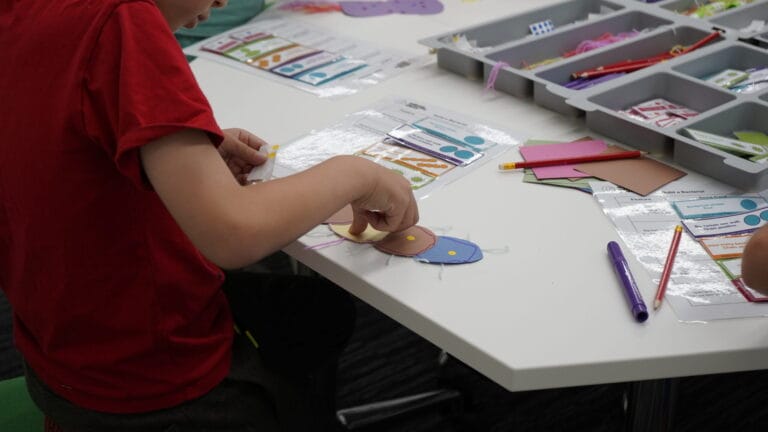
Discover the diversity of bacteria and get creative making your own model bacteria!
Discover how microbes, such as bacteria and viruses, can be spread from person to person.
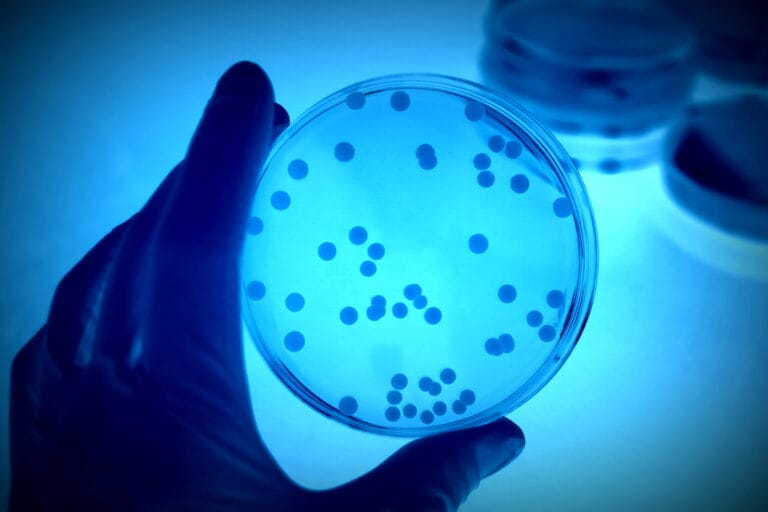
Discover how DNA can provide clues to how microbes work and whether they are ‘good’ or ‘bad’.
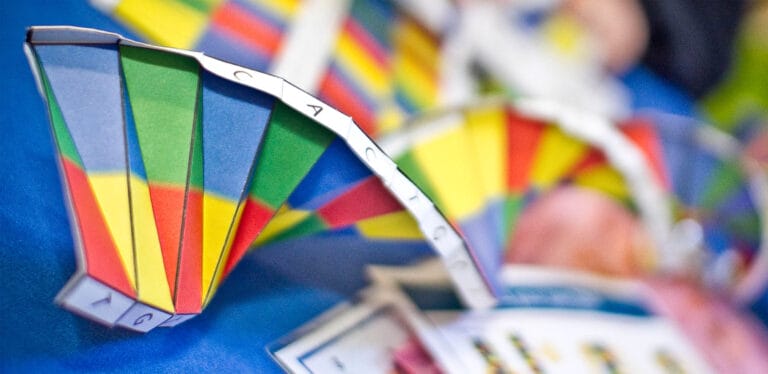
This hands-on activity allows you to create your own paper model of a DNA double helix.
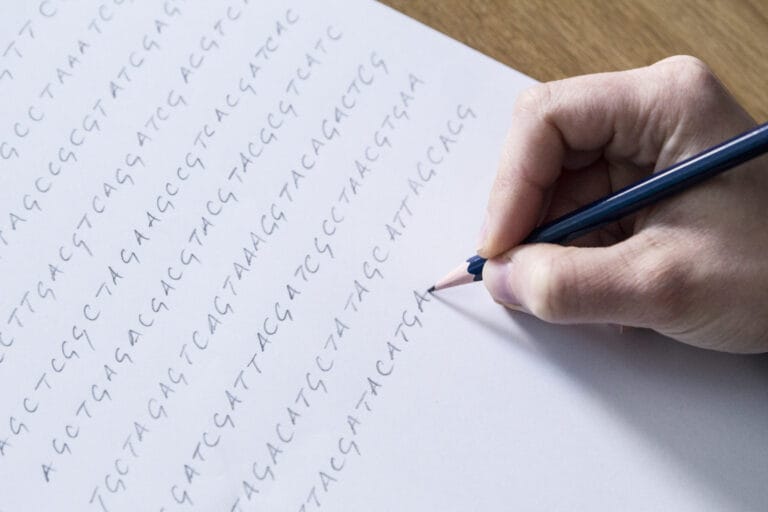
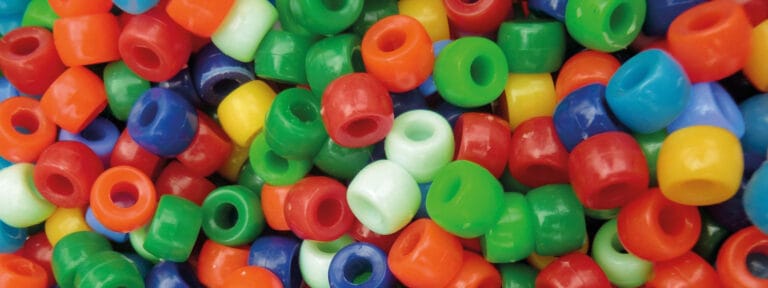
In this activity, learners make a bracelet of DNA sequence from organisms including a human, chimpanzee, butterfly, carnivorous plant or flesh-eating bacteria.
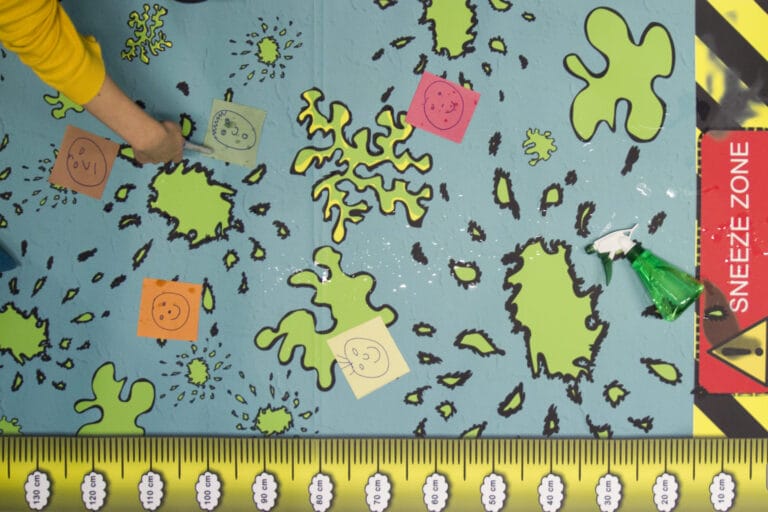
Through this fun activity you can learn more about the spread of microbes and their potential to infect people.
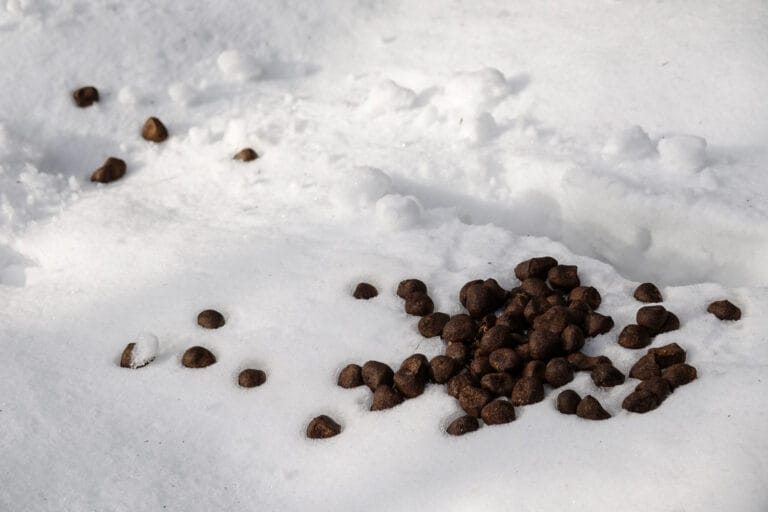
Some animals can be hard to find even when they are living right under our noses! However, the things they leave behind can often provide useful clues for understanding what creatures are living in a particular habitat.
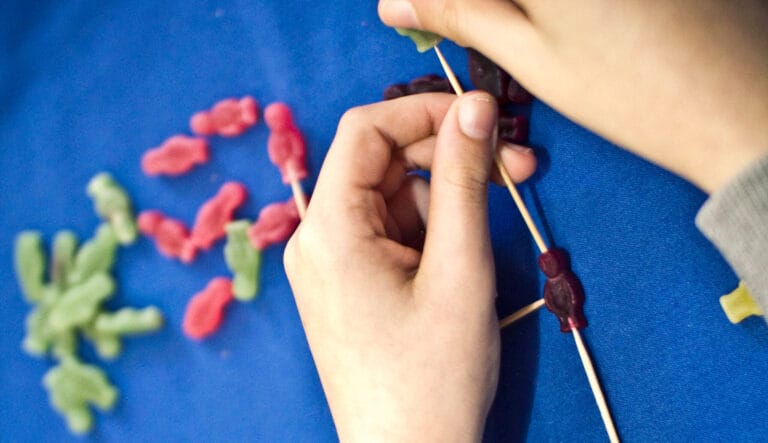
Make your own edible DNA double helix out of sweets!