YourGenome
  • Explore genomics
    • Introduction to genomics
    • In the cell
    • Health and disease
    • Living things
    • Methods and technology
    • Science in society
  • Students and teachers
    • Resources for 5-12 year olds
    • Resources for 13-18 year olds
    • Resources for educators
    • Resources for discussions
    • Videos
  • Careers in genomics
    • Career profiles
    • Career videos
    • Virtual Work Experience
  • Glossary
  • About us
  • Explore genomics
    • Introduction to genomics
    • In the cell
    • Health and disease
    • Living things
    • Methods and technology
    • Science in society
  • Students and teachers
    • Resources for 5-12 year olds
    • Resources for 13-18 year olds
    • Resources for educators
    • Resources for discussions
    • Videos
  • Careers in genomics
    • Career profiles
    • Career videos
    • Virtual Work Experience
  • Glossary
  • About us

Explore Genomics   Methods and Technology  

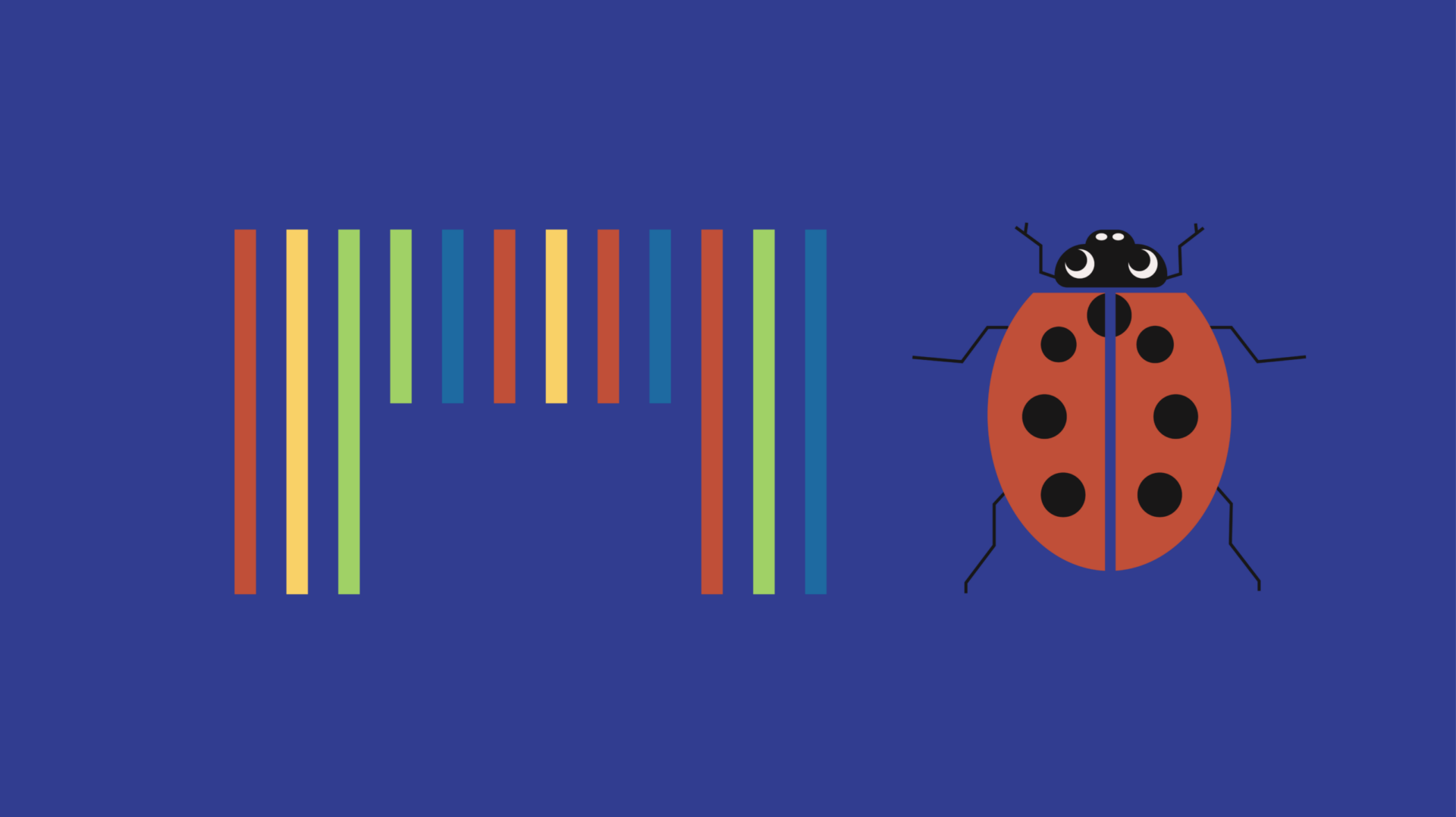
DNA barcodes

This animation shows how a standardised section of DNA can be used to identify organisms. 

This animation shows how a standardised section of DNA can be used to identify organisms.

Animation partially funded by the Royal Society Partnership Grant.

Project team: Emma Garlick, Adam Rash, Karen Stephens, Laura Olivares Boldú, Giulia Ponti and Elisa Lucaccini.
Explore our gallery of DNA animations

Similar content 

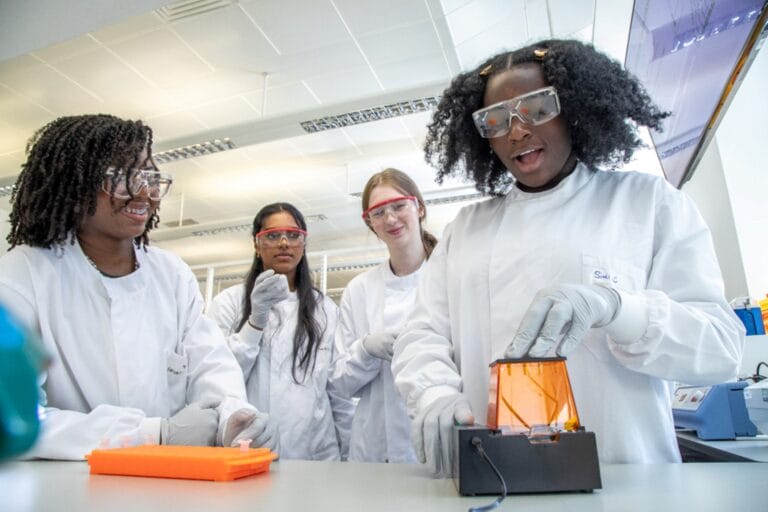
4 students wearing labcoats looking excited during science experiment.

Barcoding for beginners

Information and resources for educators and students participating in the Barcoding for beginners project

Living Things

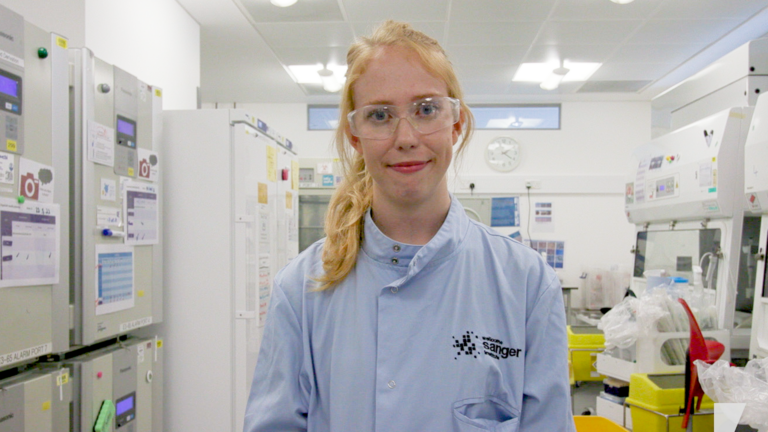
Picture of Lucy smiling, she is in a lab coat and protective glasses in the lab.

My career in genomics: cell biology

In this film Lucy Holland describes her role as a higher laboratory scientist apprentice working in a cell biology laboratory. This is one of a series of films providing a unique insight into different careers in the field of genomics.

Careers

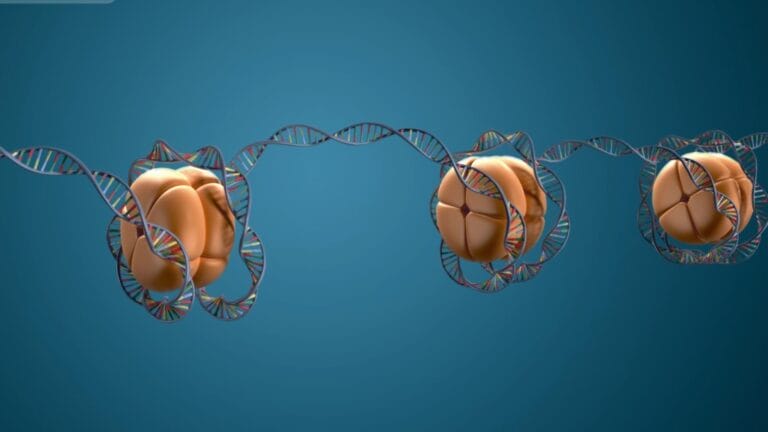
Zoom in on DNA

This animation starts with a whole human and zooms in through the organs and tissues to the cells and finally the DNA. You can see how all these different levels of organisation fit together, and the relative scale of each level.

In the Cell

Quick Links

  • About the team
  • Copyright information
  • Privacy policy

Contact

Support

feedback@yourgenome.org

Produced by

Wellcome Connecting Science Wellcome Sanger Institute