Explore genomics
All living things have their own genome. Discover more about these different genomes and what we can learn from them.
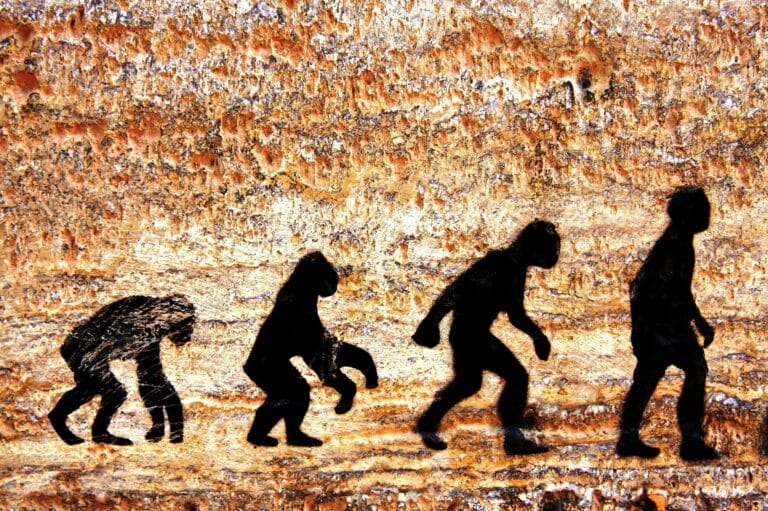
In biology, evolution is the change in the characteristics of a species over several generations and relies on the process of natural selection.
Living Things
Yes, humans are still evolving today. Genetic science shows this in action.
Genetic engineering refers to the direct manipulation of DNA to alter an organism’s characteristics in a particular way.
Use DNA sequences and an online scientific database to discover a new ecological survey technique.
What makes a bird a bird or a mammal a mammal? Grouping creatures together can show what links different creatures together.
Information and resources for educators and students participating in the Barcoding for beginners project
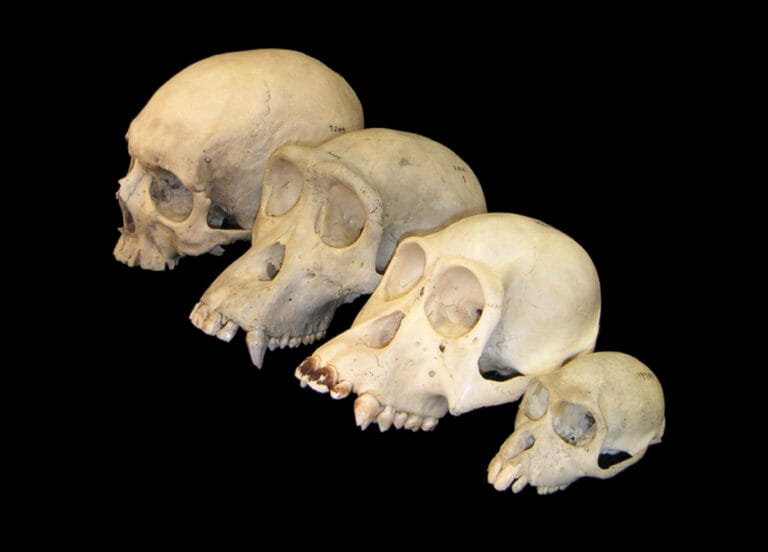
Genomics Lite is a series of public webinars, in this session we explore how different species have evolved.
Genomics Lite is a series of public webinars, in this session we explored what we mean when we say ancient DNA and what can we actually learn from it.
Genomics Lite is a series of public webinars, in this session we explored genome size, what organism has the largest genome and how do we go about sequencing these large genomes.
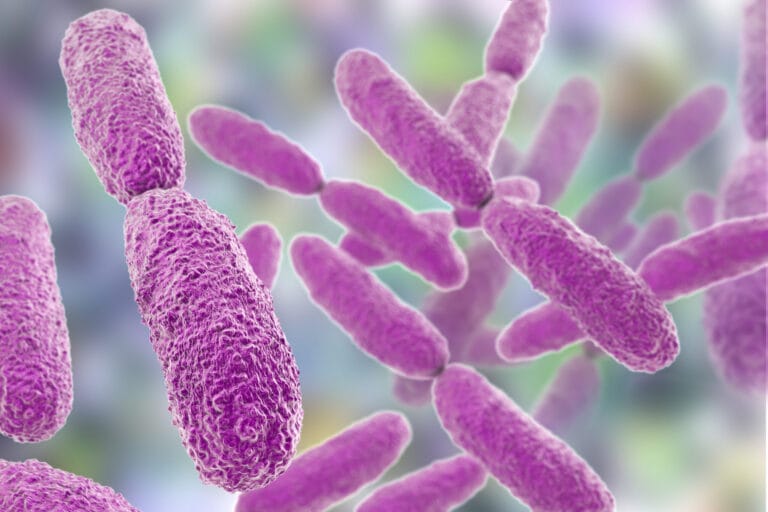
Follow the DNA clues to discover what genes an unknown bacterial sample contains!
The origin of modern humans is probably one of the most debated issues in evolutionary biology.
The human brain is staggeringly complex and the product of millions of years of evolution.
Discover some of the most fundamental differences between living things and ask the question: what really counts for complexity?
Use bioinformatic tools to compare different genes across the tree of life.
‘GMO’ stands for ‘genetically modified organism’ – an organism that has had their characteristics changed through the modification of their DNA.
Phylogenetics is the study of the evolutionary relationships between organisms, based on their genetic material revealed through DNA and RNA sequencing.
Selective breeding involves selecting individuals of a species that have characteristics of interest in the hope that their offspring inherit those desirable characteristics.
Some animals can be hard to find even when they are living right under our noses! However, the things they leave behind can often provide useful clues for understanding what creatures are living in a particular habitat.